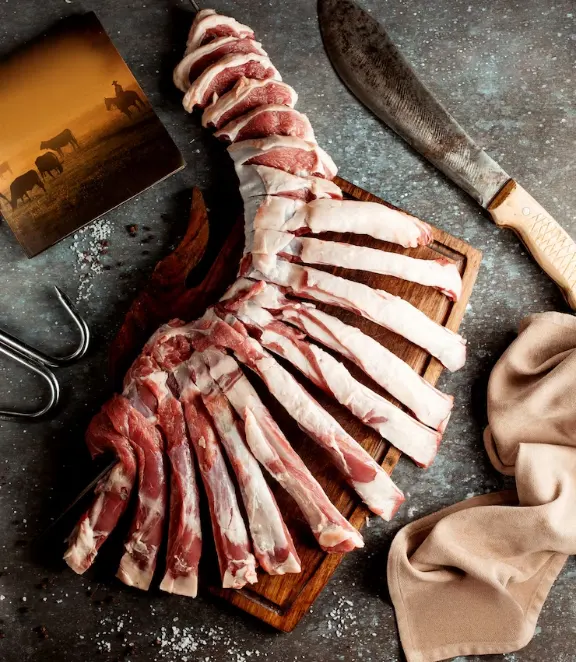
This involves transforming animal carcasses into pieces of meat following specific steps.
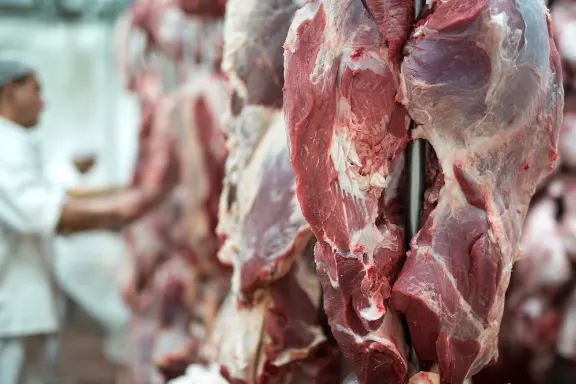
This stage generally involves cutting the meat into quarters, which are then cut into smaller pieces. This is an important stage, as it ensures that the meat is available for sale (wholesalers) and for consumers to consume.
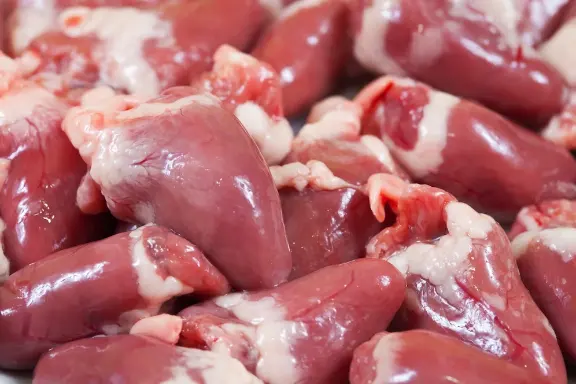
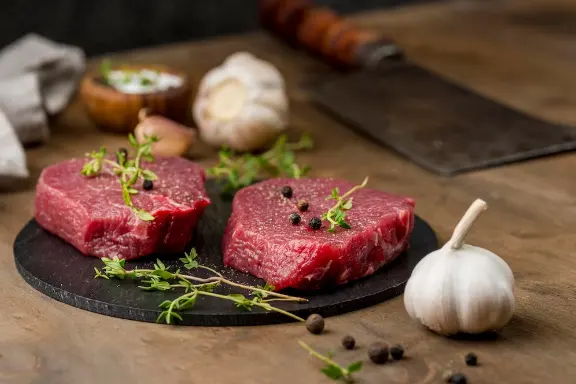
This stage involves cutting the pieces into precise portions, such as chops, steaks, roasts, fillets, escalopes, etc. This stage can also include separating the meat into different pieces, such as breast, fillet, leg, etc.
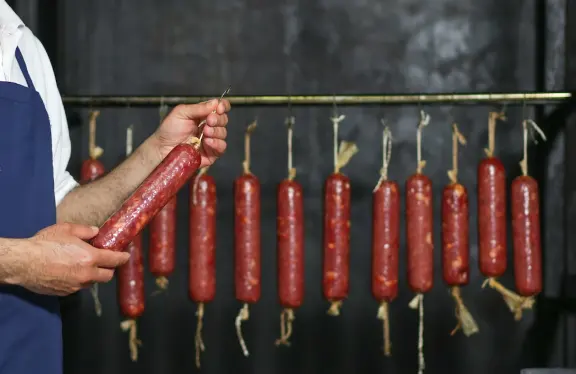
This stage involves cutting the meat into even smaller, more precise portions. The aim here is to ensure that nothing is wasted, and the meat is passed on to the wholesale channel or used in the production of other food products such as nuggets, sausages or burgers.
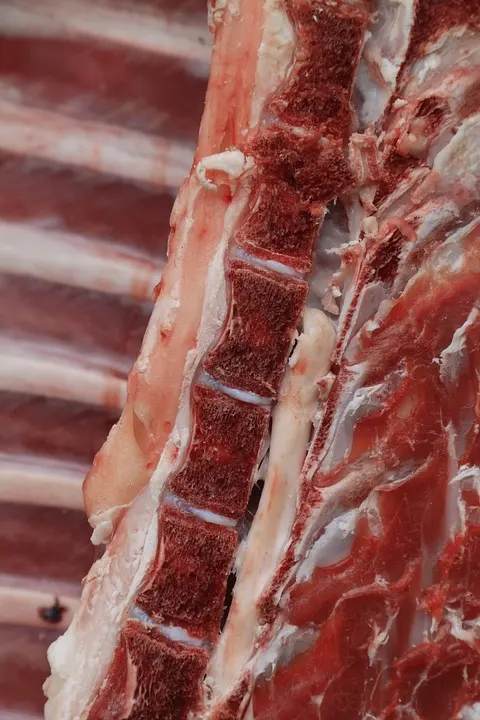
This involves removing the bones from the meat while retaining the most tender and prized parts.

This stage consists of removing the main bones of the animal, such as the ribs and collar bone, which are not necessary for the cuts of meat you want to obtain. This stage is often carried out by the professional using a bone saw and step-by-step boning lines.

This stage involves removing the smaller bones, such as the spinal column and shoulder blades. This stage is generally carried out with a knife by a professional, as the cuts must be precise and are different for each animal.

This stage involves removing the remaining bones and inedible parts of the animal, such as tendons and cartilage. This stage can be carried out using a knife or other specialised tools by the professional and, like the previous part, on a case-by-case basis.
The types of meat used for slaughtering include red meat, white meat, poultry meat, sheep meat, pork, etc.

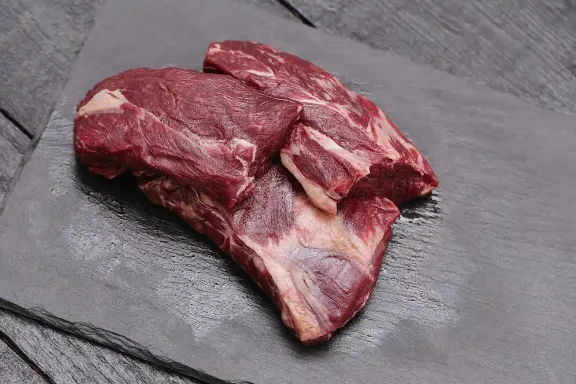
This category includes beef, pork, lamb and venison. These meats have a dark red colour due to the high myoglobin content in the muscle fibres, a protein that carries oxygen to the muscles. This is the meat most often used in cooking.

This category generally includes meat from various game animals, such as deer, wild boar, hare and quail. These meats have a dark black colour due to a higher concentration of myoglobin in the muscle fibres than red meat.

This category includes chicken, turkey, veal, rabbit and other poultry & fish. These meats have a lighter colour due to their low myoglobin content. Nutritional studies exclude cattle meat, which is considered to be red meat.
With methods such as vacuum packaging, bulk packaging and traditional packaging, adapted to the needs of consumers and the food industry.

This packaging method involves removing the air from the pack and sealing it hermetically. This extends the shelf life of the meat by preventing oxidation and bacterial proliferation, allowing consumers to keep the meat for longer before eating it.

This type of packaging is often used for large quantities of meat intended for wholesale or further processing. Meat is often packed in large plastic bags or isothermal boxes to maintain temperature and ensure safety during transport.

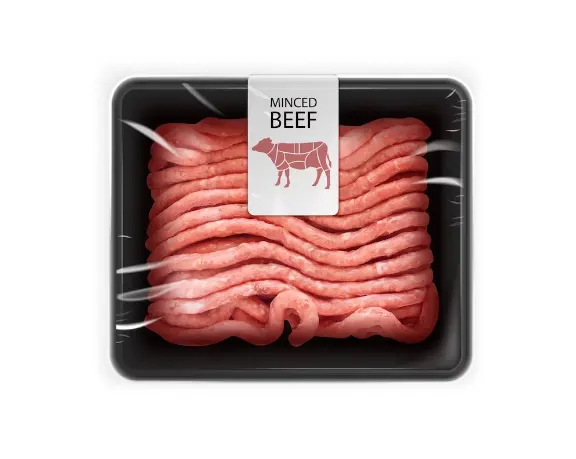
This category can include polystyrene trays covered in plastic film, paper bags for minced meat, aluminium trays for cooked meats, etc. This type of packaging is often used for meat sold directly to the end consumer.